
Brain-Computer Interface · Decentralized Value Network

The neural bridge
linking consciousness and value

OPSL builds an open value network for the brain-computer interface era, letting human neural intent flow and exchange safely, privately, and trustworthily across the digital world—ushering in a new era of human–machine collaboration.

Non-invasive
Neural signal capture
End-to-end
Neural data encryption
Decentralized
Collaborative value network
LIVE·Live neural signal
98.2%
SIG LOCK
1 kHz <20 ms AES-256 64 ch
Intent CaptureReal-time neural parsing
98.2%
Intent DecodingLow-latency semantic mapping
62.4%
Value SettlementDecentralized settlement
100.0%
Our Vision

Let every neural intent hold
freely flowing value

As brain-computer interfaces move from the lab into everyday life, the boundary between human and machine is dissolving. OPSL's mission is to build a neutral, open value infrastructure owned jointly by its participants—one that belongs to no single institution, but to everyone who connects to it.
  • People-first—technology serves human autonomy and dignity, not the other way around.
  • Data is private—neural data always belongs to the user: encrypted by default, authorizable, and revocable.
  • Open by design—protocols, tools, and ecosystem are open to developers and researchers worldwide.
  • Inclusive access—lower the barrier to entry so the value network reaches broader communities.
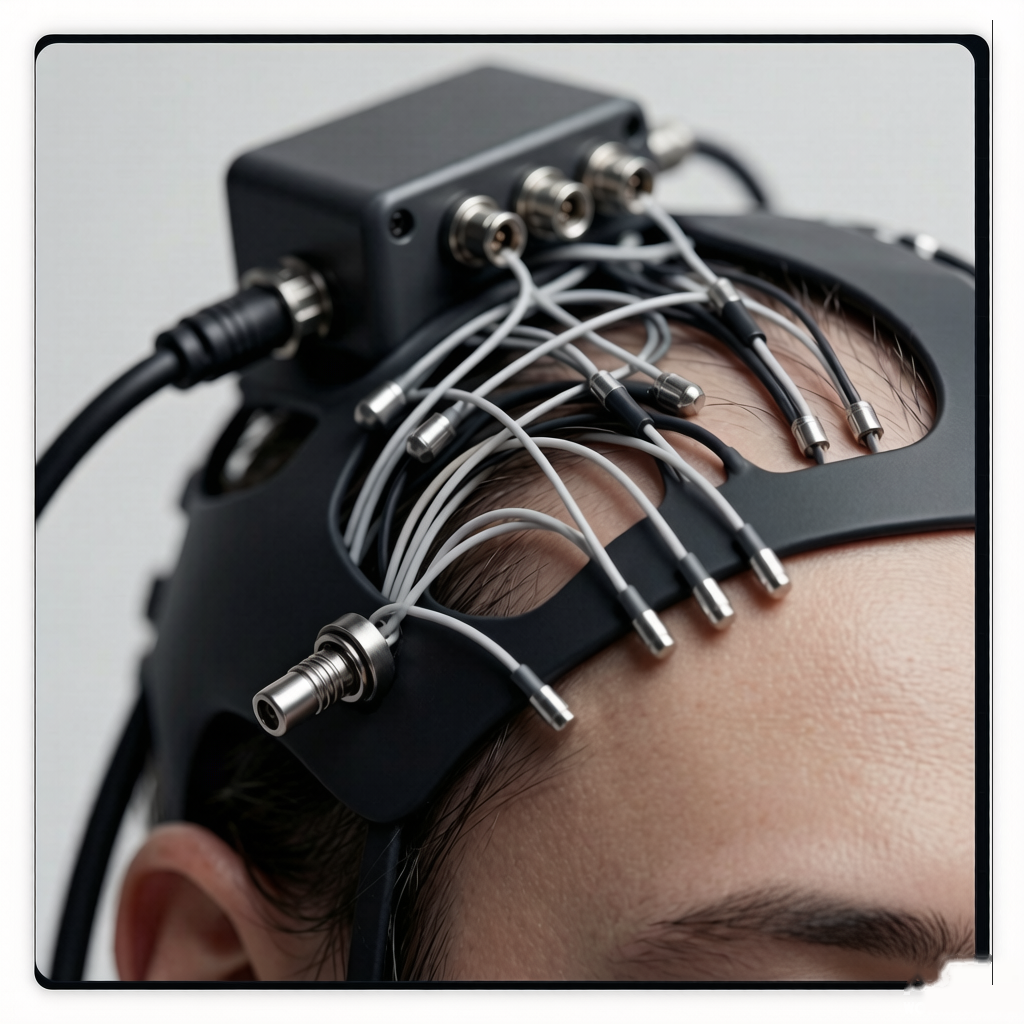
Close-up portrait of a person wearing a brain-computer interface headset, showing a natural, authentic neural-interaction scene
Neural Technology Foundations

Understanding the brain's language—
and carrying it with trust

At its core, OPSL uses non-invasive brain-computer interfaces, fusing neuroscience, cryptography, and distributed systems to build a complete path from signal to value.
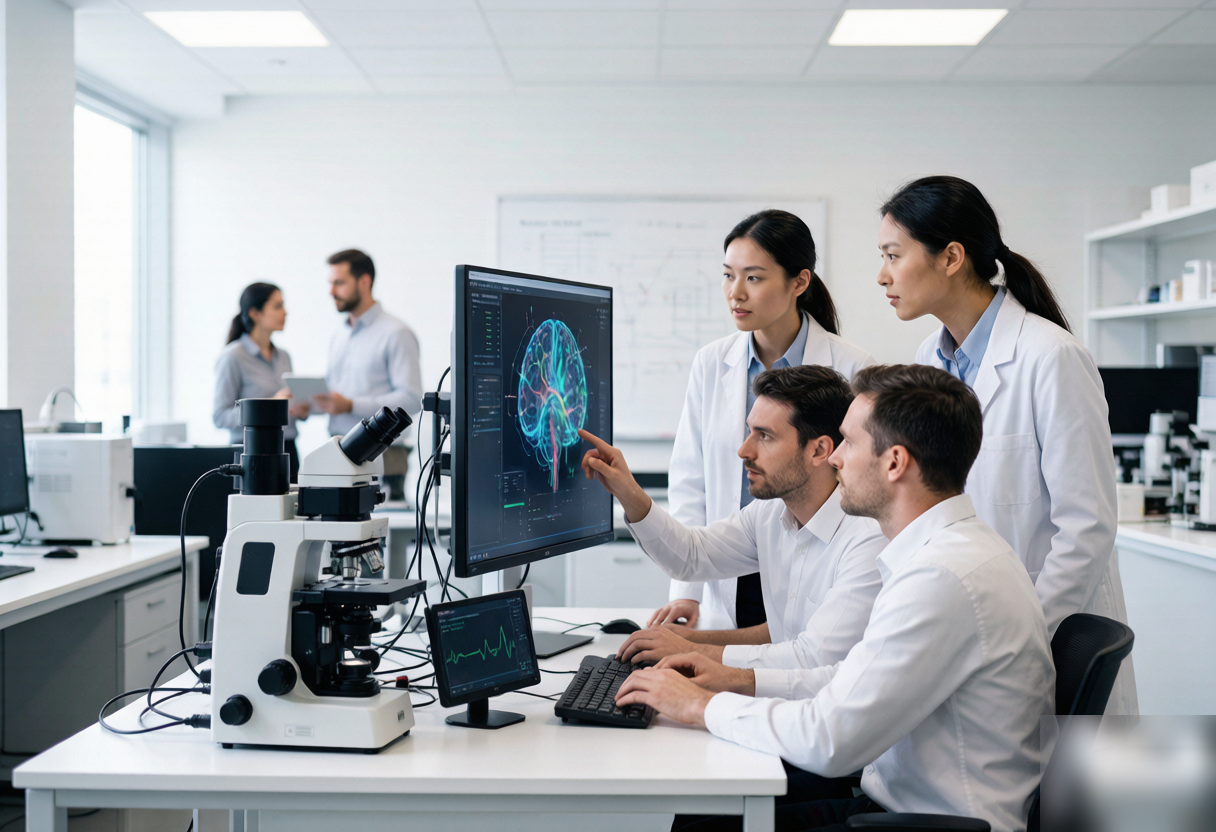
A modern neuroscience research lab with brain-computer interface monitoring equipment
A modern neuroscience research environment: an end-to-end experimental pipeline from neural signal capture to intent decoding.

Neural Signal Capture

A non-invasive sensor array safely and comfortably captures scalp and cortical electrophysiological activity—no surgery required.

Intent Decoding

Neural-representation models map continuous neural activity into structured intent, enabling near-real-time semantic understanding.

Neural Feedback

A bidirectional loop returns digital responses in perceptible form, creating synergistic enhancement between human and system.

Data Privacy

Neural data is desensitized and encrypted locally, used externally only within the user's authorization and on a minimization basis.

A modern data-center room where decentralized network nodes are hosted
The network is maintained by distributed nodes; any participant may join, validate, and contribute in compliance with applicable rules.
Network Architecture

A layered
neural value protocol

OPSL adopts a modular, layered design that decouples application, protocol, neural data, and security—so each layer evolves independently while working in concert, balancing performance, scalability, and trust.

Maintained by decentralized nodes, the network lets any participant join, validate, and contribute under compliance, forming a self-evolving value infrastructure.

01

Application Layer

End-user services for healthcare, education, entertainment, and research that turn neural intent into usable product experiences.

↓
02

Protocol Layer

Open rules defining value transfer, intent attestation, and collaborative confirmation; all nodes coordinate under one protocol.

↓
03

Neural Data Layer

Encrypted storage, authorized sharing, and trusted computation of neural signals—data sovereignty always rests with the user.

↓
04

Security & Privacy Layer

End-to-end encryption, zero-knowledge verification, and access control woven throughout, guarding every bit of neural information.

Token Utility

The Role of OPSL in the Network

OPSL is the native utility token of the neural value network. It drives collaboration, incentivizes contribution, and carries governance—the "neural impulse" that keeps the network running.

Value Transfer

Settles neural-data and compute contributions between apps and services, so collaboration is fairly measured and rewarded.

Used for in-ecosystem service exchange and contribution settlement

Contribution Incentives

Rewards participants who provide compute, data labeling, model training, and node operations, steadily growing the network.

Incentivizes compute, data, and node-operation contributions

Governance Voting

Holders vote on protocol parameters, ecosystem funds, and key proposals, ensuring community co-governance.

Protocol evolution and ecosystem decisions are community-governed

Staking

Stake to take part in network validation and security; stakers shoulder responsibility and earn network returns.

Underpins network validation and security duties

Service Access

A credential for invoking high-value neural and privacy computation, keeping resource use orderly and fair.

Credential for high-value and privacy computation calls

Ecosystem Synergy

Connects third-party developers, research institutions, and service providers into an open collaborative economy around neural value.

The collaborative link between developers, institutions, and service providers
Use Cases

A neural value network, from lab to life

OPSL's value lies not only in the technology, but in the rich scenarios it enables. Below are only some of the directions now being explored.
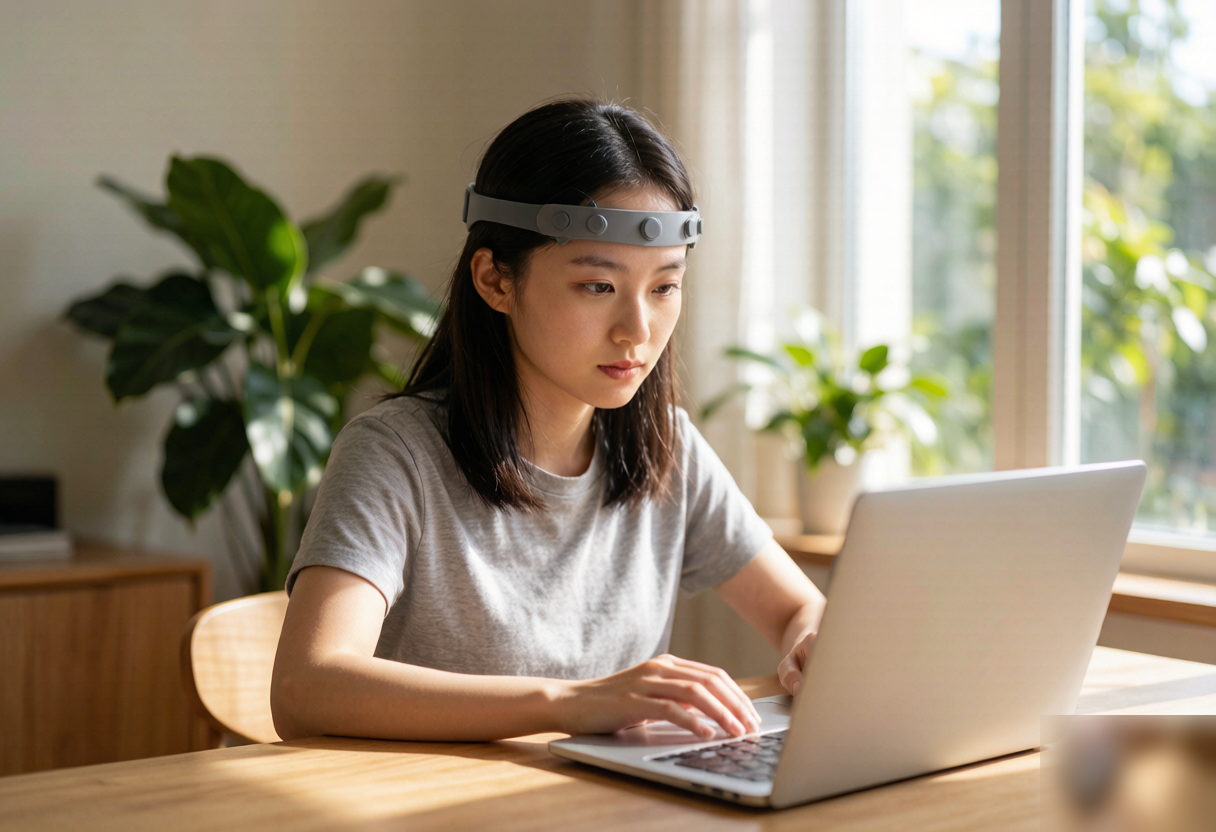
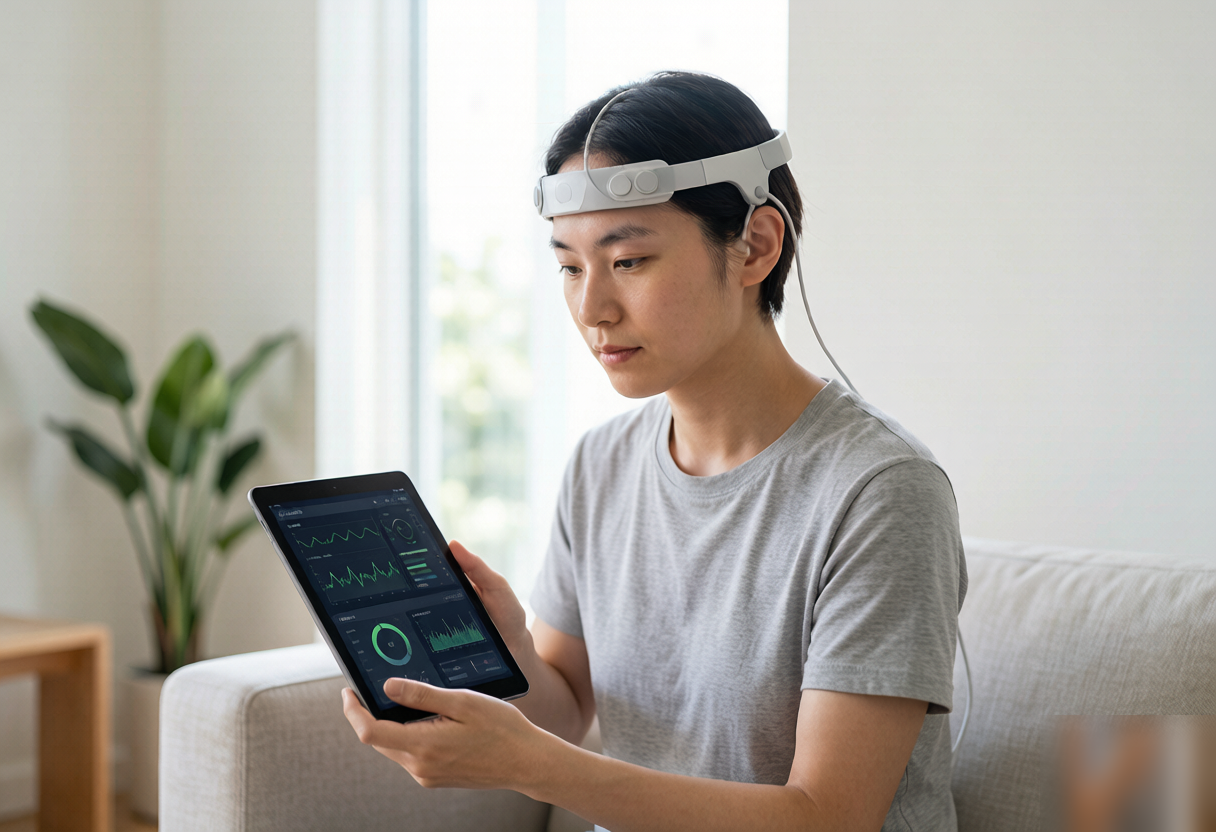
A user wearing a neural interface device interacting with the digital world in daily life
From lab to daily life: neural interfaces make intent a natural entry point for human–machine collaboration.

Medical Rehabilitation

Assists motor-function recovery, neurological-disease monitoring, and accessible interaction—technology that truly serves health and dignity.

Education & Cognition

Uses neural feedback to refine focus training and learning, giving personalized education an objective signal basis.

Immersive Entertainment

Drives avatars and scenes directly with intent, reshaping interaction in games, social, and the metaverse.

Digital Identity

Builds self-sovereign decentralized identity from neural traits—you prove who you are, rather than a platform granting it.

Research Collaboration

Aggregates multi-center neural data while preserving privacy, accelerating collective breakthroughs in brain science and human–machine interaction.

Industry & Productivity

Drives devices and processes with intent, lowering operational load so people focus on creation and decision-making.

Open
Protocol & ecosystem open to the world
Low-latency
Real-time loop from intent to response
Self-owned
Neural data sovereignty belongs to users
Community
Key decisions co-governed by holders
Roadmap

A phased evolution blueprint

OPSL advances in a steady, reversible, community-driven way. The phases below are defined by goals, emphasizing capability maturity over a fixed timeline.

Phase 1

Launch

  • Establish the core spec of the neural value protocol
  • Open-source the base SDK and reference implementation
  • Build an early researcher and developer community
Phase 2

Build

  • Launch the decentralized value-settlement network
  • Onboard the first non-invasive neural devices
  • Establish community governance and an ecosystem-fund mechanism
Phase 3

Expand

  • Extend into verticals like healthcare and education
  • Introduce privacy computing and zero-knowledge verification
  • Attract third-party services with cross-institution collaboration
Phase 4

Endure

  • Achieve full community autonomy
  • Form a cross-ecosystem neural-value standard
  • Keep evolving protocol and security

Community Governance

OPSL rejects any centralized control. Protocol-parameter changes, ecosystem-fund allocation, and major upgrade paths are all decided jointly by token holders through public proposals and votes.

  • Proposals are public and transparent; votes are verifiable
  • Governance weight evolves dynamically with contribution and staking
  • A security committee handles emergency risks

Security & Privacy

Neural data is biometric information more private than a fingerprint. OPSL treats privacy as a first principle of architecture, not an afterthought.

  • End-to-end encryption; only the user holds the keys
  • Local desensitization; minimize data leaving the device
  • Zero-knowledge verification—prove without exposing
Core Team

Peers from neuroscience, cryptography, and human–machine interaction

OPSL is advanced by interdisciplinary researchers, engineers, and open-source contributors. Below are the team's key functional directions.
Interdisciplinary researchers and engineers collaborating in a neuroscience lab
An interdisciplinary team spanning neuroscience, cryptography, and human–machine interaction, advancing the network together.

Neuroscience Group

Signal & decoding research

Leads ongoing breakthroughs in neural-representation modeling and intent-decoding algorithms.

Cryptography Group

Privacy & security architecture

Designs the foundations of end-to-end encryption and zero-knowledge verification.

Protocol Engineering

Distributed systems

Builds a highly available, scalable decentralized value network.

Ecosystem & Governance

Community & standards

Drives the open ecosystem, cross-institution collaboration, and community autonomy.

FAQ

About OPSL — what you may want to know

What is OPSL?
OPSL is a decentralized value network for the brain-computer interface era, built so human neural intent can flow and exchange safely, privately, and trustworthily in the digital world.
How is it different from ordinary cryptocurrencies?
OPSL is not merely a payment tool; it is a purpose-built network that takes neural data as its value source and human–machine collaboration as its goal. Its utility centers on neural-signal capture, decoding, privacy computing, and ecosystem collaboration.
Is my neural data safe?
The network uses end-to-end encryption and local desensitization by default, with keys held by the user. It handles data on a minimization basis and completes collaboration through zero-knowledge verification—proving without exposing.
How can an ordinary person participate?
Anyone can join by connecting compatible devices, using ecosystem apps, taking part in community governance, or contributing compute and data labeling—and earn corresponding value returns.
Who controls the network?
OPSL aims for community autonomy; protocol evolution and ecosystem decisions are made jointly by token holders through public proposals and votes. There is no single controlling party.
OPSL Whitepaper

Explore the complete design of the neural value network

The whitepaper systematically sets out OPSL's vision, neural-technology foundations, network architecture, token utility, governance, and security model. Jump between chapters and dive into the parts you care about.